The Red Centre asks for a different rhythm from a coastal holiday. Towns are farther apart, the weather can change what is comfortable to do, and a short-looking line on a map may be a substantial day behind the wheel. Start with a realistic route and the landscape becomes easier to appreciate.
Alice Springs is a useful starting point for exploring Central Australia. You can make a shorter outing into the West MacDonnell Ranges, plan a longer trip to Uluru and Kata Tjuta, or include Kings Canyon if your time and route allow. These are distinct places; avoid trying to squeeze them all into a schedule with no margin.
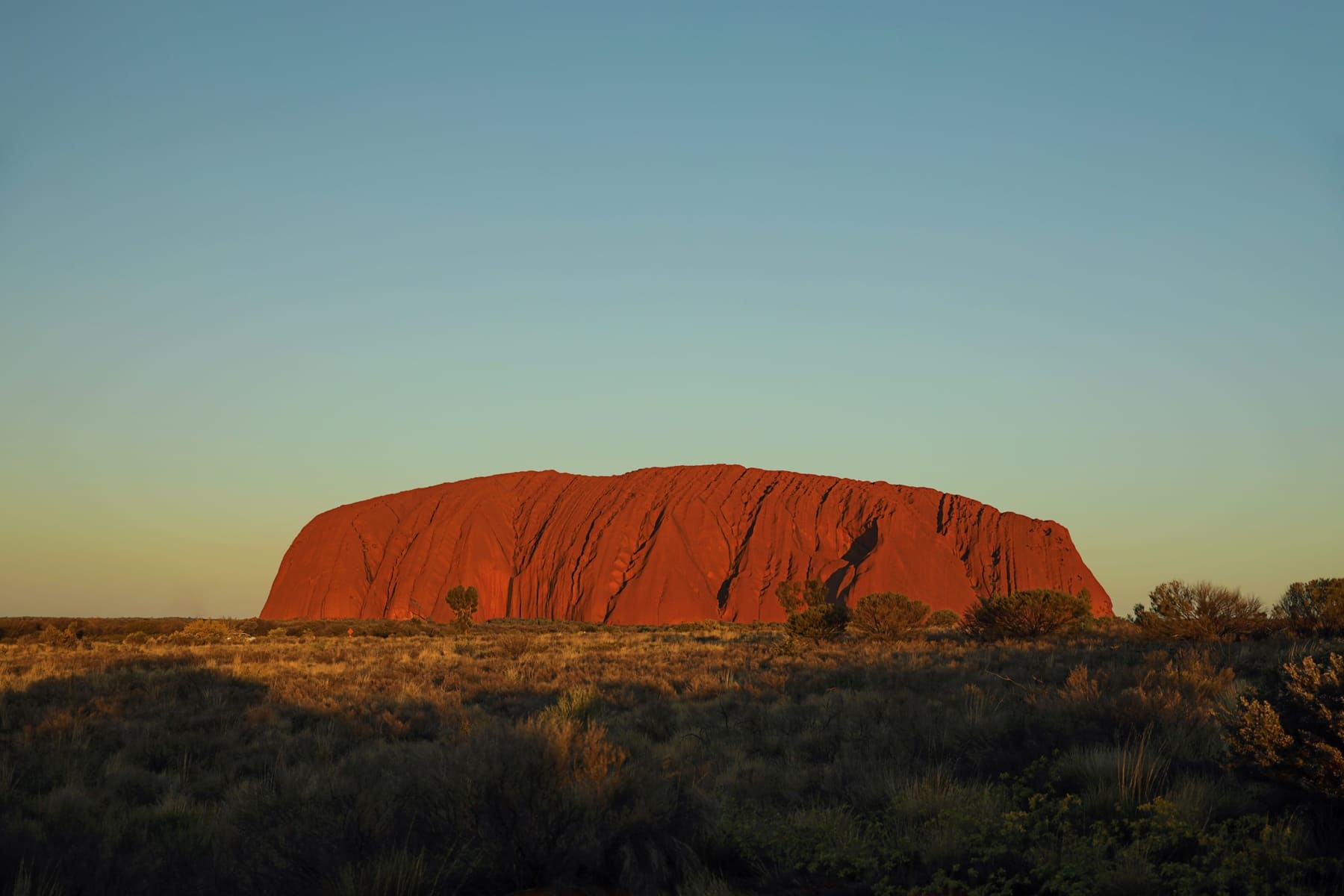
Choose the shape of your journey
A shorter stay: Use Alice Springs as a base and explore the West MacDonnell Ranges. Choose a small number of stops so there is time for a walk, lunch and a relaxed drive back or onward to an approved campsite.
A longer sealed-road journey: Build an itinerary that includes Uluru and Kata Tjuta, with enough time for the drive and for experiencing the park at a comfortable pace. Add Kings Canyon only after checking the full route, overnight stops and conditions.
A remote detour: Treat any unsealed road as a separate decision. A road being shown on a map does not mean your rental vehicle is allowed or suitable there. Confirm the exact route, vehicle category and any restrictions with your rental provider before booking.
Plan the distances backwards
Start with your return date and mark the nights when you need to be near the depot. Then identify the places where you can refuel, buy food and stay overnight. Compare the entire route with the vehicle’s fuel range, including detours and a safety margin; do not wait until the tank is nearly empty in a remote area.
Build breaks into every driving day. Road conditions, stops for photographs and heat can make a leg feel longer than expected. A spare day gives you options if a road closes or you decide a walk is better left until the next morning.
Pack for hot days and cold nights
Desert conditions are not one-note. Summer heat can be severe, while winter mornings and nights can be surprisingly cold. Carry adequate drinking water, sun protection, suitable walking shoes and warm layers. Check the forecast and park advice each day, including any heat-related walk restrictions.
A simple routine helps: refill water and fuel when available, carry food for delays, charge devices at each opportunity and download offline maps. Mobile coverage cannot be assumed outside towns. Tell someone your route and when you expect to check in; seek local advice about communications appropriate to your itinerary.
Travel respectfully on Country
These landscapes are living cultural places, not just viewpoints. Follow Traditional Owners’ guidance, stay on marked paths and observe signs about photography or access. At Uluru-Kata Tjuta National Park, use the park’s current visitor information to understand access, permits and cultural guidance before your visit.
Do not collect rocks or disturb plants and animals. Take your rubbish with you and use designated camping facilities. Small choices protect the places that make the journey worthwhile.
A pickup-day checklist
- Ask the rental provider to confirm which roads and areas are permitted for your vehicle.
- Learn how to operate the vehicle, spare wheel and camping equipment before leaving the depot.
- Check current road conditions, park alerts and campsite arrangements.
- Buy food, drinking water and any supplies needed for your first remote leg.
- Set a conservative first-day destination so you can arrive and set up in daylight.
The Red Centre is best approached with preparation rather than a rigid list of sights. Leave enough space to pause, notice the changing light and adapt to conditions.
Explore campervan rental Alice Springs pickup information when planning your departure.
Frequently asked questions
How can I plan campsites in the Red Centre?
Choose designated campgrounds around your route, check park access and booking requirements, and allow time to arrive and set up in daylight.
What should I carry between remote stops?
Carry adequate drinking water and food, plan fuel with a margin, download maps and tell someone your route. Seek local advice about suitable communications.
Search campervans